

40G QSFP+ Transceivers
40G QSFP+ Transceivers selection guide
PHILISUN 40G QSFP+ Transceivers are optical transceiver options for top-of-rack, enterprise aggregation, fronthaul and storage connectivity. Use this category to compare compatible modules for switch, server, storage, access and backbone links that need a matched speed, reach and connector type. Confirm the QSFP+ cage and firmware policy before ordering.
How to specify 40G QSFP+ Transceivers
Match the host: confirm switch, router, OLT, NIC or storage adapter model, port speed, firmware policy and coding requirement.
Check optical parameters: verify speed, form factor, reach, wavelength, fiber type, connector, DOM/DDM support and host coding before choosing a final part number or replacement module.
Plan the link: confirm fiber type, patch cord connector, link distance, attenuation margin, operating temperature and monitoring needs.
Request traceability: ask for compatibility notes, serial labels, DOM/DDM screenshots, optical test records and packing groups for project deployment.
Compare this category with the optical transceivers hub, AOC cables, DAC cables, fiber optic products and fiber optic network solutions. For coding, sampling or BOM support, contact PHILISUN.
40G QSFP+ Transceivers FAQ
How do I confirm compatibility?
Share the equipment brand, model, port speed, firmware version, required reach, fiber type and any vendor coding policy before ordering.
What test information should be requested?
Common records include optical power, receiver sensitivity, DOM/DDM screenshots, EEPROM coding notes, link test results and serial traceability.
Can PHILISUN provide coded modules?
Yes. PHILISUN can support compatible coding, labeling, packaging and project BOM review for qualified switch, router, server and access network deployments.
-
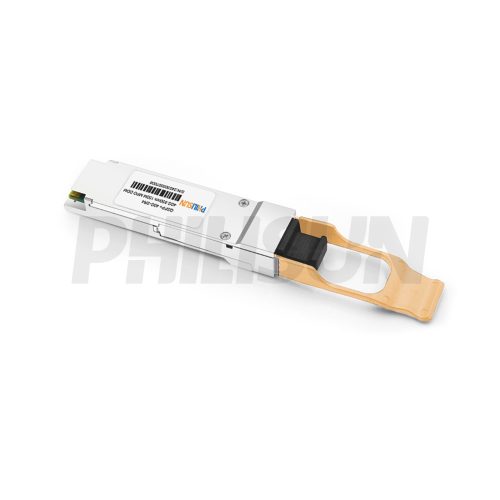
QSFP+ 40G Transceivers
QSFP+ 40G Transceivers selection guide PHILISUN QSFP+ 40G Transceivers are optical transceiver options for top-of-rack, enterprise aggregation, fronthaul and storage connectivity.