

Why Choose PHILISUN Network Solutions
Complete Fiber Connectivity Portfolio
From backbone cabling to device-level connection, PHILISUN provides the fiber connectivity products needed to build stable and scalable optical networks.
High-Density Cabling Support
Compact and organized fiber cabling options help improve rack space utilization, simplify cable routing, and support growing connection density.
High-Speed Optical Transmission
PHILISUN supports network upgrades from 10G/25G to 100G/400G/800G with optical transceivers, DAC/AOC cables, and fiber cabling solutions.
Flexible Customization
Cable length, fiber count, connector type, MPO polarity, jacket material, labeling, and packaging can be customized according to project requirements.
Device Compatibility Support
Optical transceivers and DAC/AOC cables can be tested and coded for major equipment platforms to improve device recognition and link stability.
Technical Selection Support
Our team can recommend suitable cabling, transceiver, and interconnection products based on scenario, data rate, distance, device type, and network architecture.
Tailored Solutions for Diverse Segments
We combine professional cabling, optical transceivers and interconnection products to match different network deployment demands.

Data Center Cabling Solutions
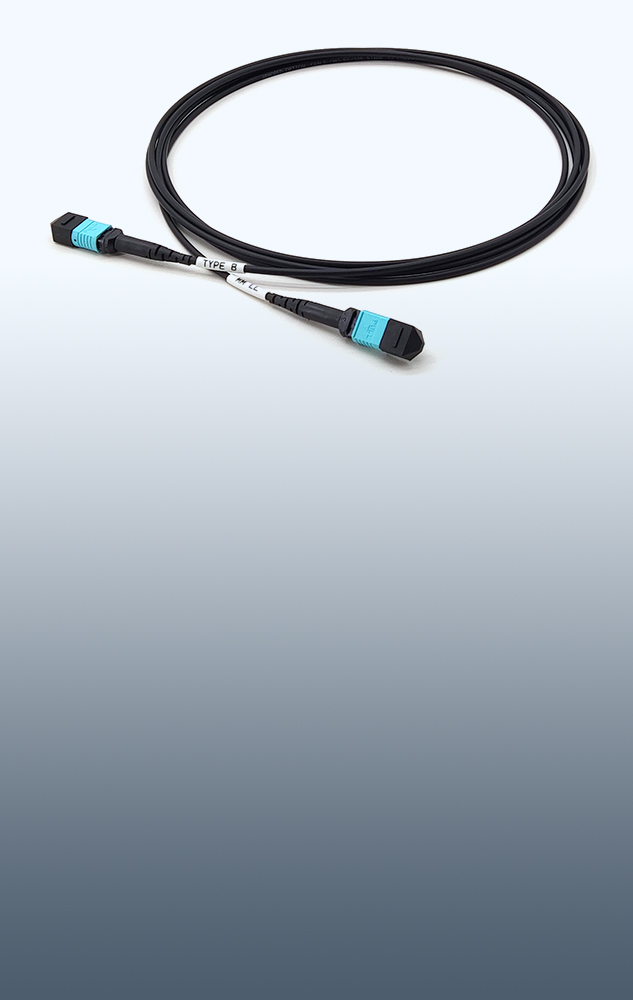
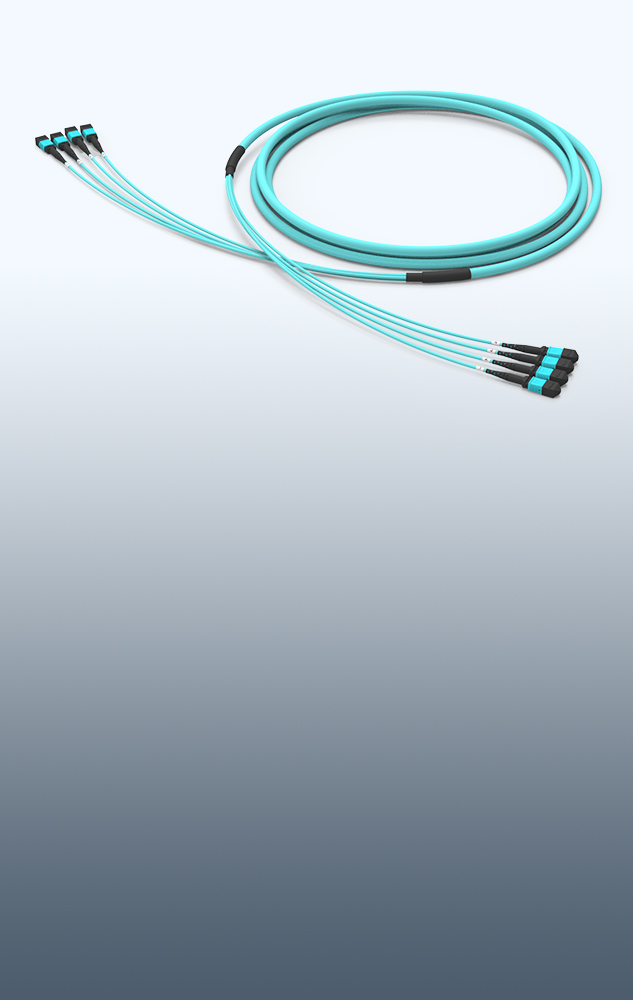
High-density structured cabling systems (MPO trunk cables, fiber distribution boxes, LC patch cords, high-speed transceivers) support spine-leaf architecture, rack interconnection and long-term expansion.
HPC and AI Network Solutions
Focus on high-bandwidth & low-latency interconnection for GPU clusters. 400G/800G optical modules, DAC/AOC and MPO cabling ensure stable AI training and high-performance computing.

Enterprise LAN Solutions
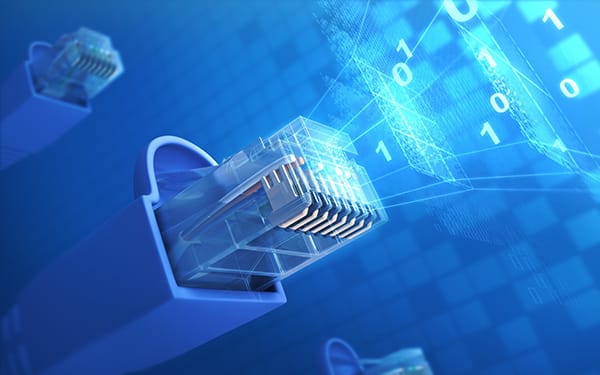
Indoor fiber jumpers, pre-terminated cables and distribution products simplify campus/office network management, building stable backbone and access layer connections.
Telecom and 5G Network Solutions
WDM optical modules, armored fiber cables and passive components adapt to outdoor deployment, ensuring stable 5G fronthaul/backhaul and metro transmission.

Get a Tailored Fiber Network Solution for Your Project
Tell us your application environment, bandwidth requirements, transmission distance, and on-site conditions. Our experts will recommend a cost-effective fiber optic solution and product combination for your project.
Fiber Optic Cabling Solutions for Data Center and Enterprise Networks
PHILISUN helps teams plan fiber optic cabling solutions from the backbone to the equipment port: MPO trunks, LC patching, cassettes, fiber enclosures, optical transceivers, labeling, testing and custom BOM support.
| Project requirement | Cabling approach | PHILISUN starting point |
| High-density data center rows | MPO trunk backbone with cassettes, enclosures and LC equipment patching | MPO trunk cables and MPO cassettes |
| Enterprise backbone and IDF links | OS2 or OM4/OM5 fiber backbone, patch panels, labeled jumpers and tested links | Fiber patch cords and pigtails |
| GPU, AI and HPC clusters | Low-latency short-reach links with AOC, DAC, MPO cabling and 400G/800G optics | AOC/DAC cables and optical transceivers |
| Telecom, 5G and outdoor routes | Singlemode fiber, armored cable options, WDM optics and documented loss budget | Fiber optic products |
| Future speed upgrades | Plan fiber count, connector format, polarity, spare ports and transceiver reach together | Structured cabling guide |
What We Need to Design a Fiber Optic Cabling BOM
- Network scenario: data center, enterprise LAN, campus, telecom, 5G, HPC or AI cluster.
- Target speed and optics: 10G, 25G, 40G, 100G, 400G, 800G or mixed-speed migration.
- Fiber route: room-to-room, rack-to-rack, building backbone, row cabling or equipment patching.
- Fiber and connector type: OS2, OM3, OM4, OM5, LC, SC, MPO, UPC/APC, gender, pin and polarity.
- Acceptance requirements: insertion loss, return loss, OTDR traces, labels, packaging and test reports.
Related Planning Guides
Use these guides to refine the cabling architecture before ordering: structured cabling guide, MPO cabling guide, multimode fiber guide, LC vs SC vs MPO connector guide, OTDR testing guide and SFP port guide.
Fiber Optic Cabling Solutions FAQ
What is a fiber optic cabling solution?
A fiber optic cabling solution is a planned set of fiber cables, connectors, patch panels, cassettes, enclosures, labels, test records and optical modules that work together to support a network link or cabling system.
How do I choose between OS2, OM3, OM4 and OM5?
Choose OS2 for longer singlemode links and future long-reach optics. Choose OM3, OM4 or OM5 for shorter multimode links where the selected transceiver and distance are supported by the link budget.
When should a data center use MPO cabling?
Use MPO cabling when high fiber density, fast installation, parallel optics or a clean MPO-to-LC cassette architecture is needed between rows, racks, panels or equipment areas.
Can PHILISUN provide custom fiber cabling assemblies?
Yes. Cable length, fiber count, connector type, polish, jacket, polarity, label, packaging and test requirements can be customized for project deployment.
What test information should be included with fiber cabling?
Important test information includes insertion loss, polarity, connector inspection, OTDR trace data when required, cable ID, length, fiber type and far-end destination.
Fiber Optic Guides & Insights
Top 10 Fiber Optic Cable Manufacturers in 2025: Who to Choose & Why?
Here’s an updated list of the best fiber optic cable manufacturers, with FS and PHILISUN among the leaders driving innovation and connectivity worldwide.
Is OM2 Fiber Cable Still Viable for Modern Enterprise Networks?
Understand the limitations of OM2 fiber cable. Compare its speed and distance capabilities against OM3 and OM4 for cost-effective enterprise upgrades.
LC Fiber Connector Guide: LC vs SC vs MPO
Compare LC fiber connectors with SC and MPO, including LC UPC vs APC, duplex and simplex choices, high-density cabling use cases, and PHILISUN product paths.