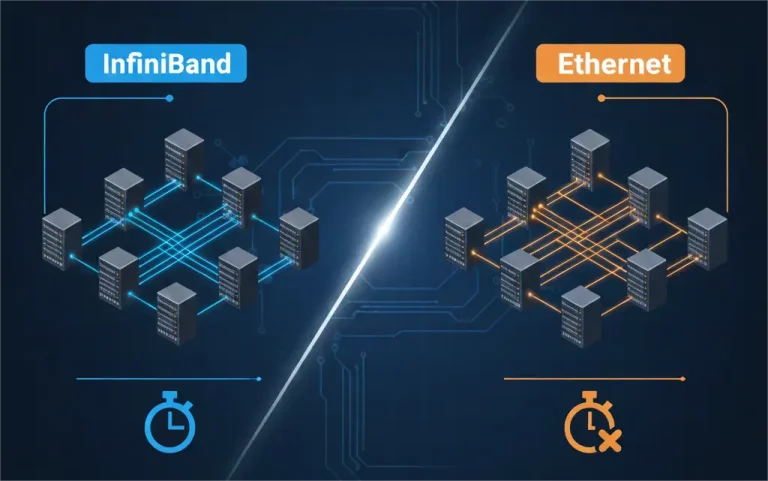
Low-Latency Fiber Cabling for AI and HPC Networks
Plan low-latency AI/HPC cabling by comparing fiber distance, switch hops, FEC, DAC, AOC, transceivers, topology and routed cable paths.


Plan low-latency AI/HPC cabling by comparing fiber distance, switch hops, FEC, DAC, AOC, transceivers, topology and routed cable paths.
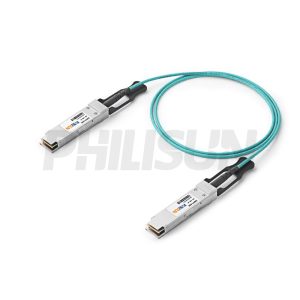
Plan DAC, ACC, AEC and AOC cable length limits for 100G-800G AI data center links by rack distance, airflow, power and port type.
Compare DAC, ACC, AEC and AOC cables for 100G-800G links by reach, power, latency, cost and AI data center rack use case.

Plan structured cabling for data centers and enterprise networks with fiber backbone, MPO trunks, patch panels, testing and upgrade checklists.
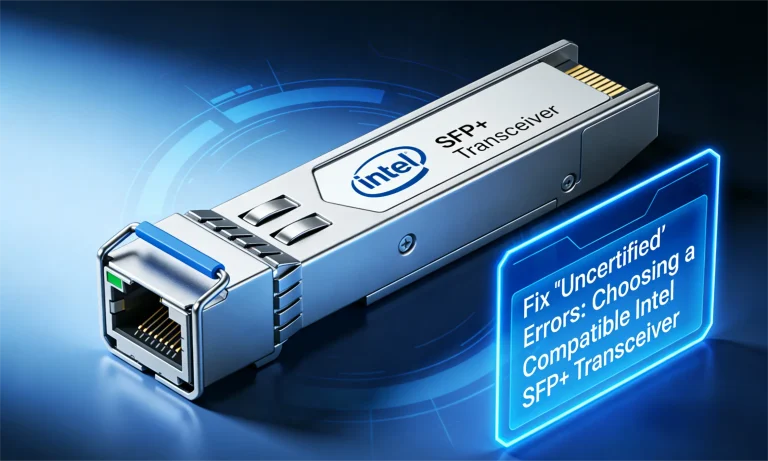
Intel SFP+ transceivers require custom coding for X520/X710 NICs. Learn how to bypass OEM lockouts and ensure 100% stability with PHILISUN’s tested modules.
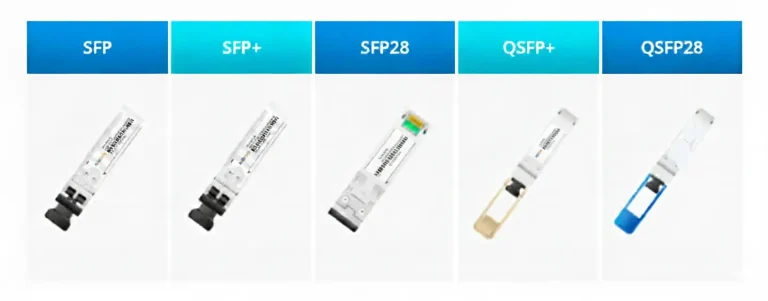
SFP vs SFP+ vs QSFP vs QSFP28: The key difference is speed and lane count (1G/10G/25G vs 40G/100G). SFP is 1G, SFP+ is 10G, SFP28 is 25G (all 1 lane). QSFP+ is 4x10G, QSFP28 is 4x25G (4 lanes).
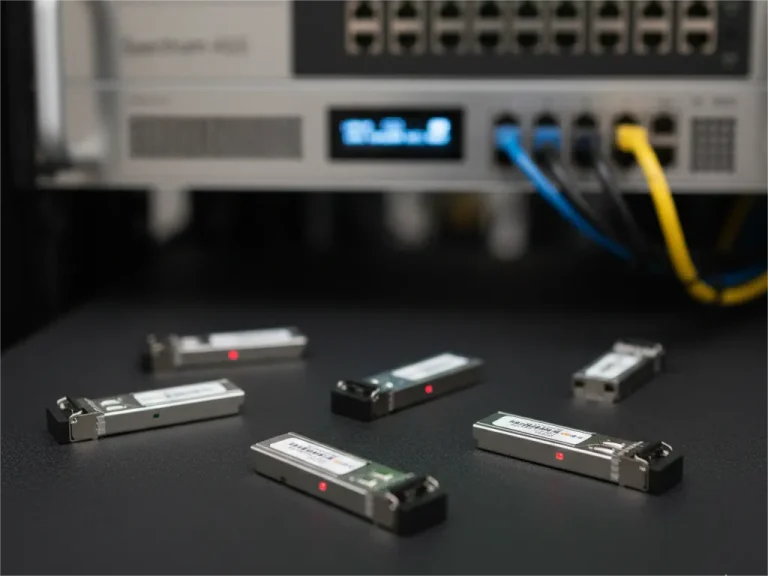
The complete technical guide to SFP optical modules (SFP, SFP+, SFP28). Understand the core function, compare data rates (1G to 25G), learn critical compatibility rules, and follow our 5-step checklist for selecting the perfect SFP optical module for your network build.
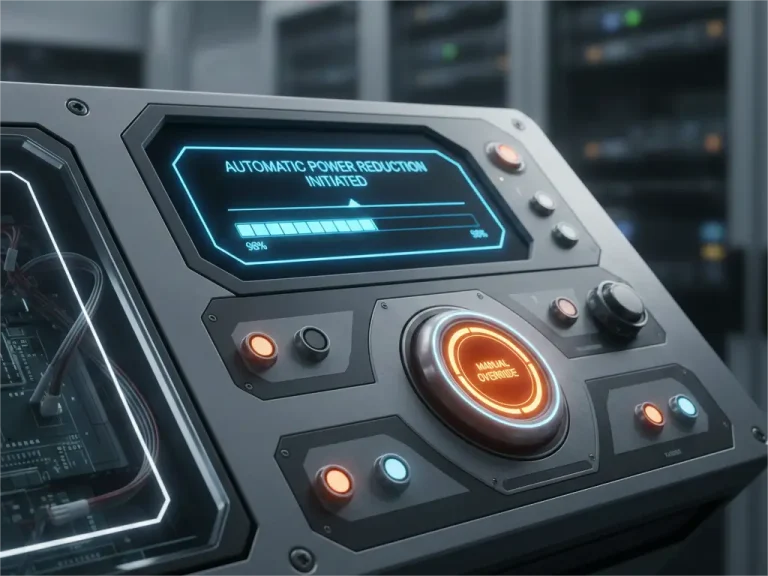
Automatic Power Reduction (APR) is a safety mechanism in fiber optic transceivers that rapidly reduces laser power to eye-safe levels (Class 1) when a physical link failure is detected, ensuring compliance with IEC 60825-2.
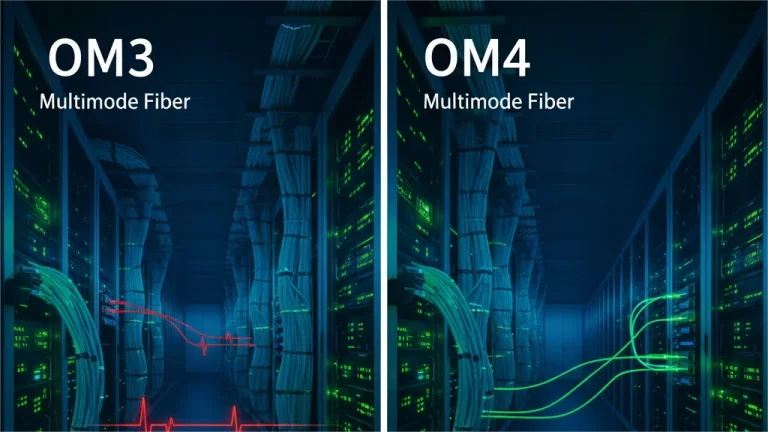
OM4 Fiber is the undisputed winner. For high-speed data centers (40G/100G), OM4’s superior distance and 4700 MHz·km bandwidth make it the only reliable, future-proof option.
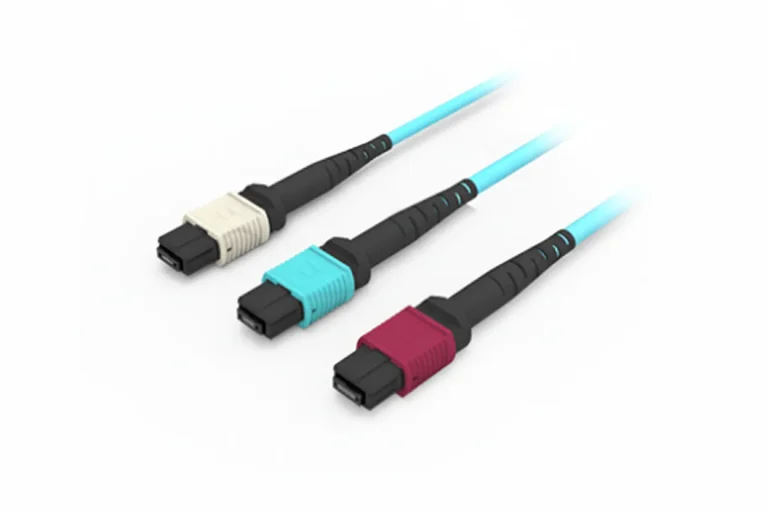
The Multi-fiber Push On (MPO) connector is essential for high-density, parallel optics. Learn the crucial standards (polarity, gender, insertion loss) and secure reliable, certified MPO/MTP solutions from PHILISUN.