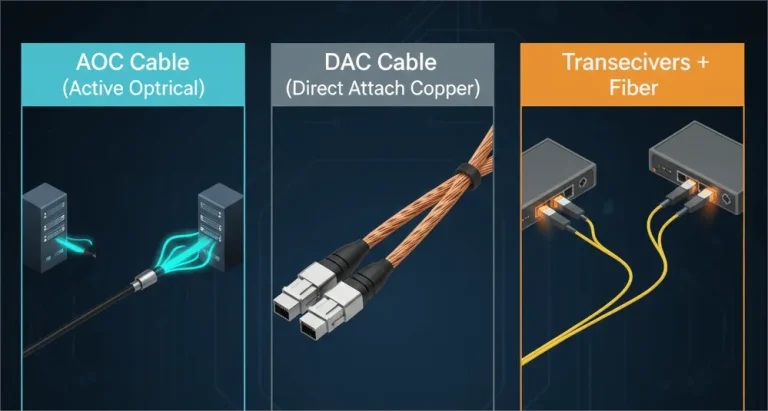
AOC vs DAC vs Transceivers: ACC/AEC Choice Guide
Compare AOC, DAC, ACC, AEC and optical transceivers for 100G-800G data center links by cost, distance, latency, airflow and routing.


Compare AOC, DAC, ACC, AEC and optical transceivers for 100G-800G data center links by cost, distance, latency, airflow and routing.
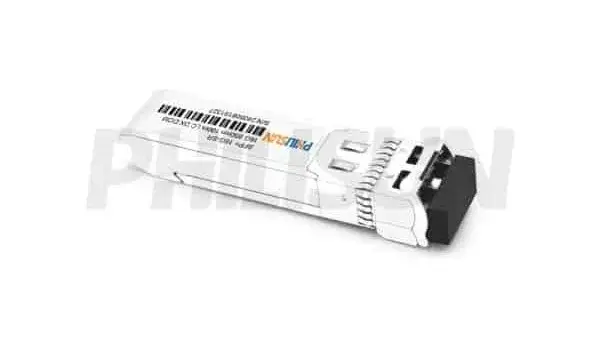
Understand the SFP-10G-SR for 10 Gigabit Ethernet over multimode fiber. Learn its range, applications, and how PHILISUN offers reliable SFP+ optics for your network.
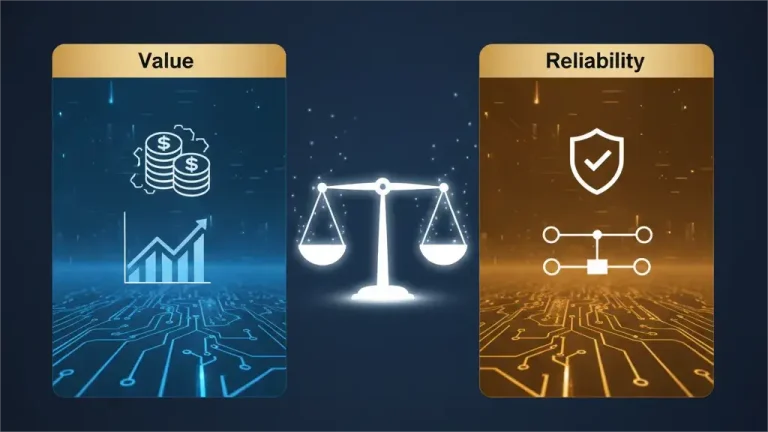
Can you use a Cisco SFP-10G-SR Compatible transceiver without issues? Yes. Learn how PHILISUN's rigorous testing and precise EEPROM coding deliver OEM performance and reliability for your Cisco switches, guaranteeing compatibility and significant savings.

What is DDM (Digital Diagnostic Monitoring) in SFP/QSFP modules? It's more than just viewing temperature. Learn how to use DDM real-time data to track transceiver health, predict cable failures, and troubleshoot link issues before they cause downtime.
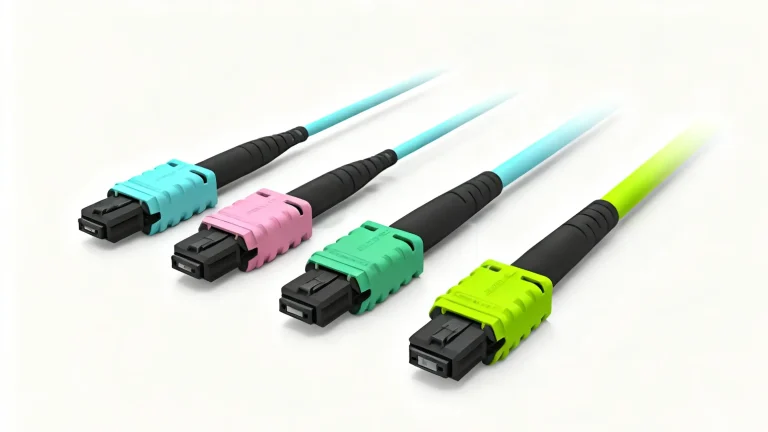
MPO is the generic standard, MTP® is the elite version. This guide reveals critical design differences, why MTP® offers lower loss, and how to choose the right PHILISUN connector for your data center link budget.
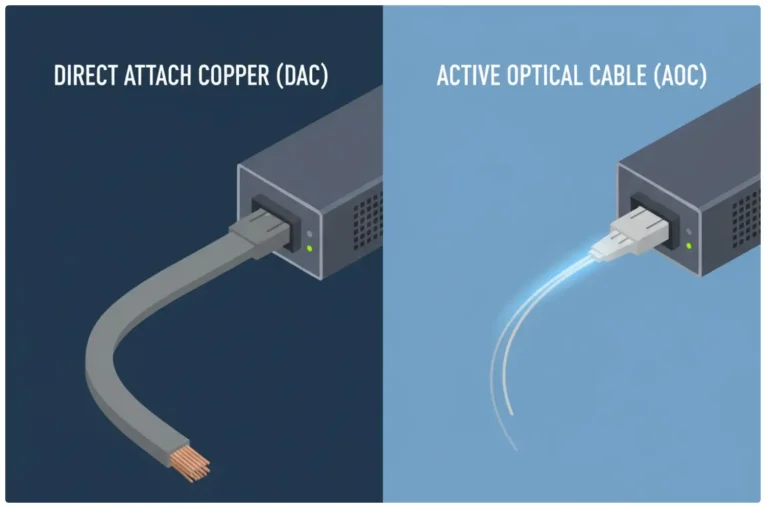
Struggling between DAC and AOC for your 100G rack? This guide compares DAC vs. AOC on cost, distance, and power. Make the right choice for your data center.
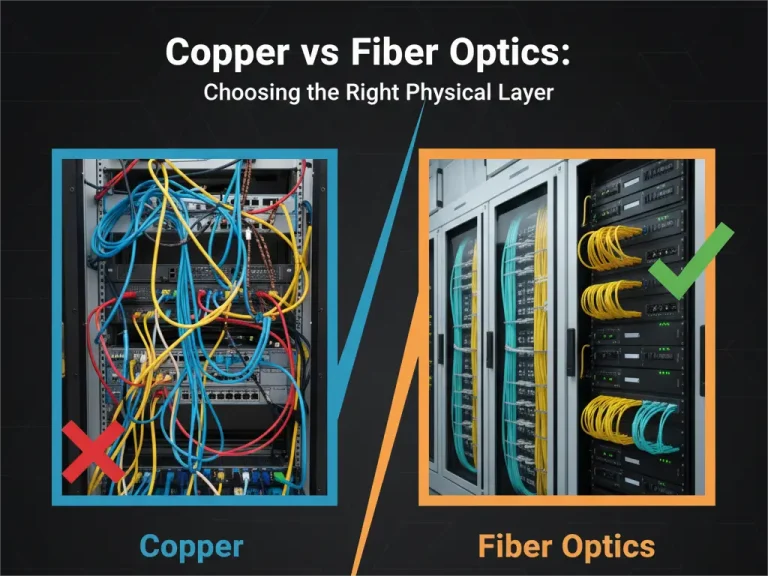
Learn how to strategically deploy copper (Cat6/6a) and fiber optics (SFP/QSFP) across different network layers for optimal performance, scalability, and long-term ROI.
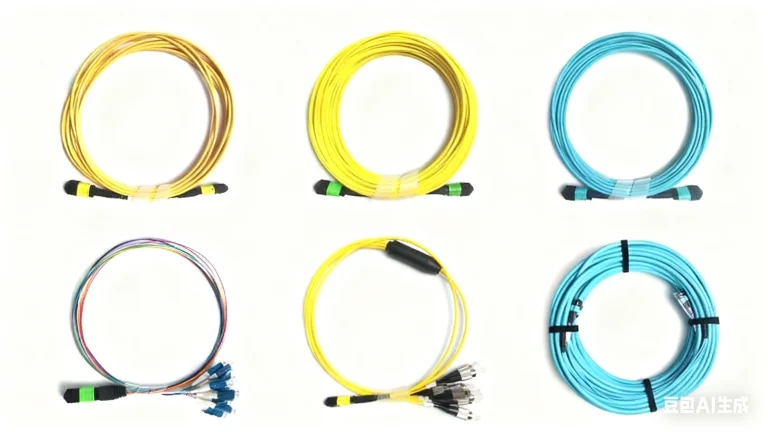
Need specific MPO cable lengths to avoid rack clutter? Learn how to specify MPO Polarity (A/B/C), Gender (Male/Female), and Jacket type (Plenum/LSZH). Request a custom quote from PHILISUN today.
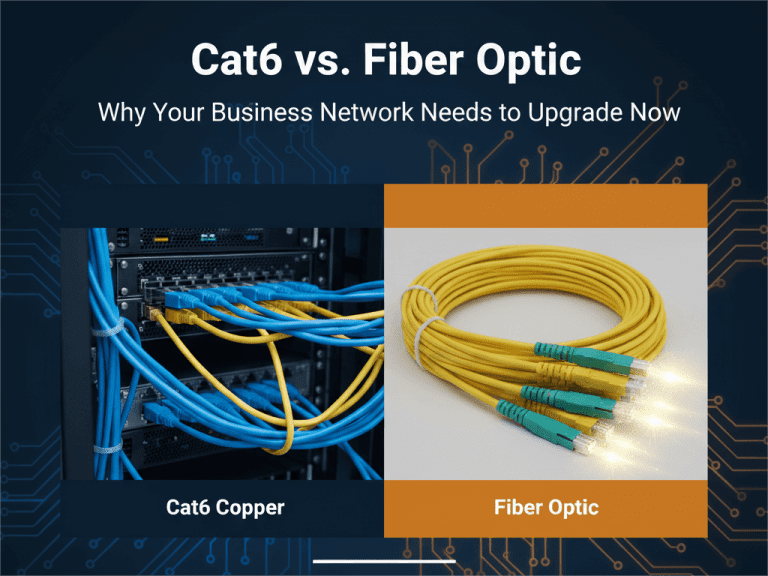
Cat6 or Fiber? Don't decide based on speed alone. We compare latency, distance limits, EMI immunity, and TCO. Discover why switching to fiber optics and SFP+ modules is the future-proof choice.
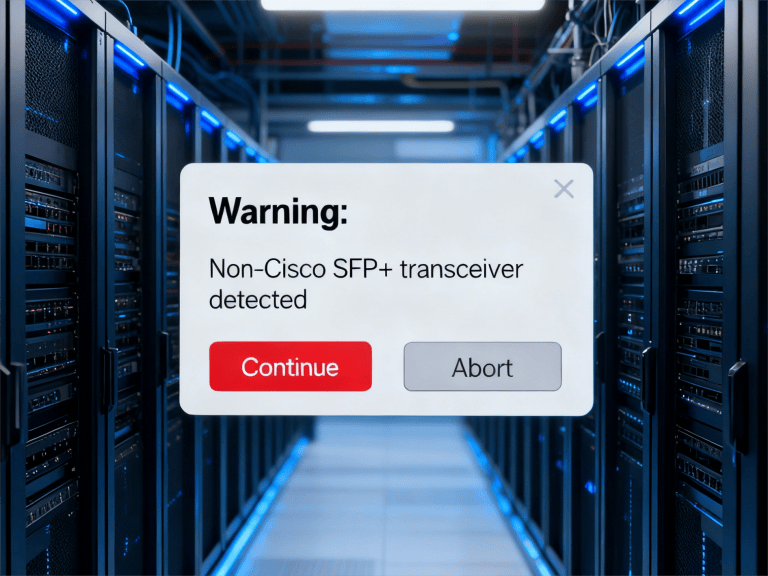
Persistent Cisco Compatible SFP+ Warnings disrupt your network? Discover the common physical issues—from power budget overruns to connector contamination—that quality optics must overcome for reliable, warning-free performance.