

Technical Analysis
-
NVIDIA LinkX Ecosystem for 400G and 800G Sourcing
36.6% of the sentences contain more than 20 words, which is more than the recommended maximum of 25%.
Learn More about NVIDIA LinkX Ecosystem for 400G and 800G Sourcing
-
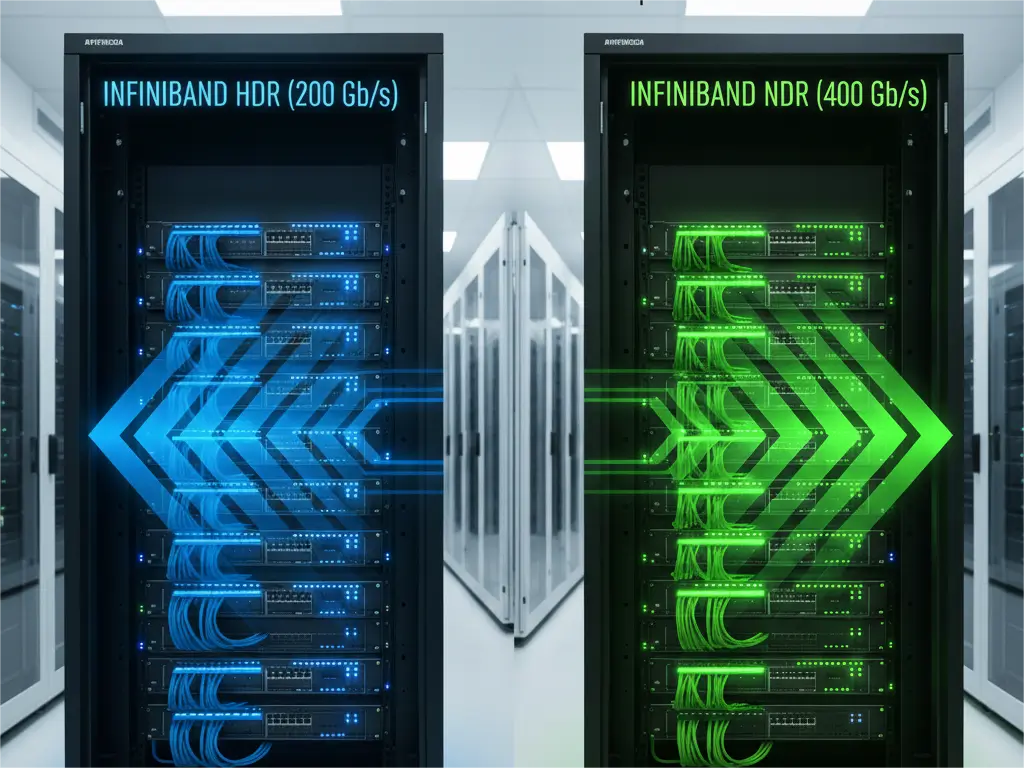
NDR vs HDR InfiniBand: 200G/400G Cabling
Compare NDR vs HDR InfiniBand for 200G/400G bandwidth, Quantum switches, OSFP/QSFP56 optics, MPO fiber and AI/HPC cabling choices.
-
NVIDIA ConnectX-8 800G Cabling Guide
Plan NVIDIA ConnectX-8 800G cabling with OSFP, QSFP-DD, MPO-16, DAC, AOC, optics and low-loss fiber for AI/HPC clusters.
-
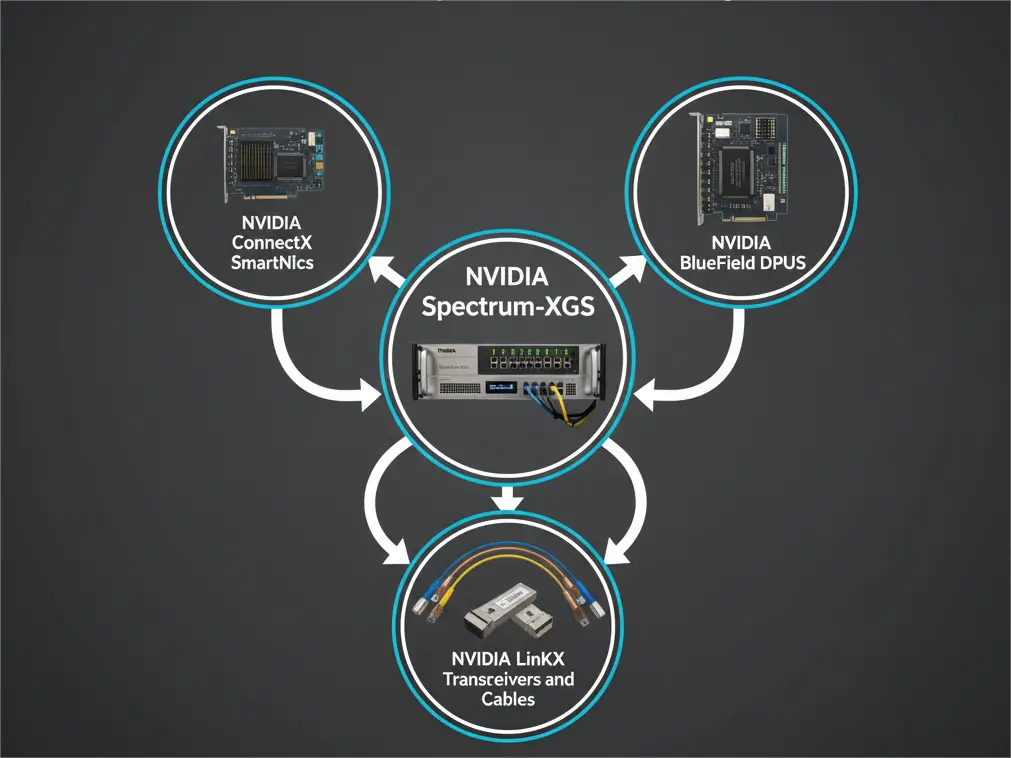
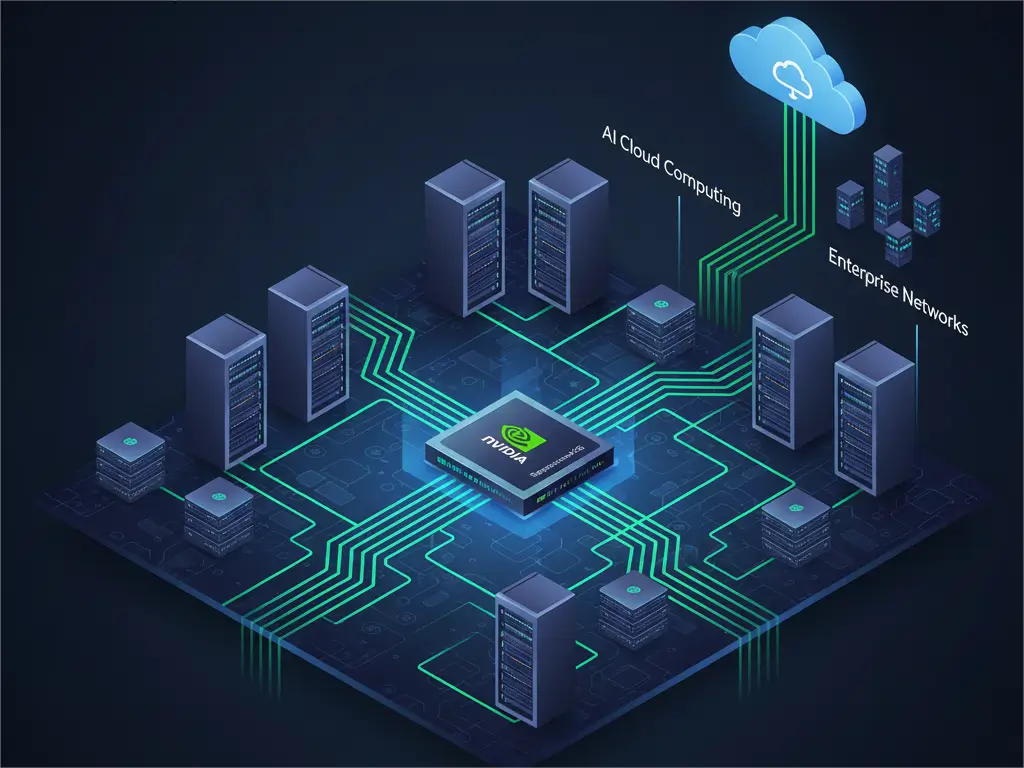
NVIDIA Spectrum-XGS 800G Optical Interconnects
Detailed technical analysis of Spectrum-XGS interconnects. Learn the TCO impact of 800G modules, MPO-16 cabling strategy, and distributed DCI optics (LR4/ZR4).
Learn More about NVIDIA Spectrum-XGS 800G Optical Interconnects
-
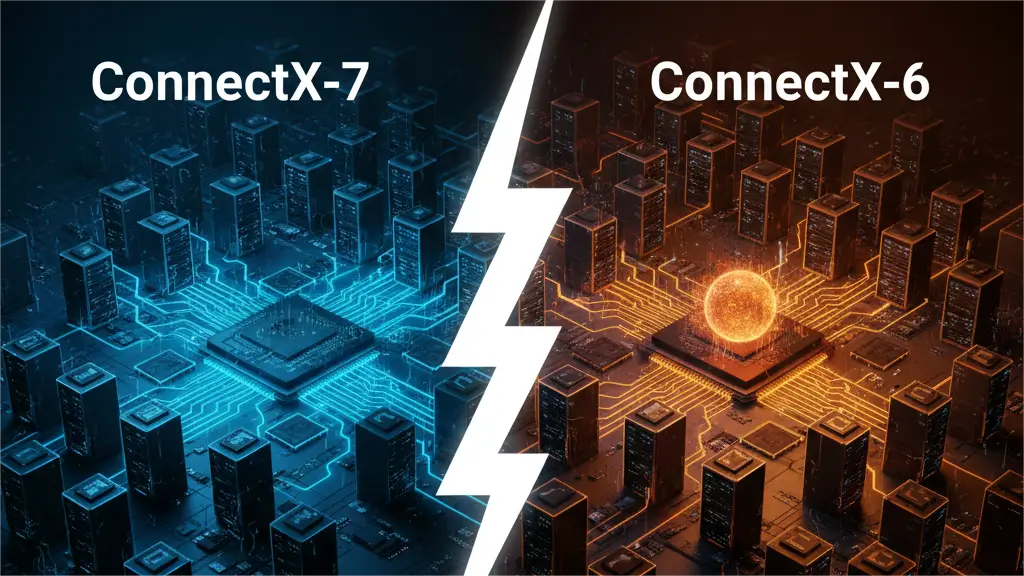
ConnectX-7 vs ConnectX-6: 400G/200G Cabling
Compare ConnectX-7 vs ConnectX-6 for AI/HPC bandwidth, PCIe, latency, RoCE/InfiniBand support and 200G/400G AOC, DAC and optics choices.
Learn More about ConnectX-7 vs ConnectX-6: 400G/200G Cabling
-
NVIDIA H100/H800 AI Cluster Network Cabling
Plan NVIDIA H100/H800 AI cluster networks with 400G/800G OSFP, QSFP-DD, AOC, DAC, optics and fiber cabling choices for HPC deployments.
Learn More about NVIDIA H100/H800 AI Cluster Network Cabling
-
NVIDIA H800 vs H100: NVLink Limits and AI Cluster Interconnect Design
Get the definitive technical analysis of NVIDIA H800 and H100. Explore the critical differences in NVLink interconnect bandwidth and FP64 performance, and their profound impact on large-scale AI training.
Learn More about NVIDIA H800 vs H100: NVLink Limits and AI Cluster Interconnect Design
-
NDR InfiniBand: Validated Connectivity for NVIDIA Quantum-2 HPC
Learn how NVIDIA Quantum-2 firmware v31.2012.2200 LTS mandates validated InfiniBand NDR connectivity. PHILISUN offers certified 400G+ solutions.
Learn More about NDR InfiniBand: Validated Connectivity for NVIDIA Quantum-2 HPC
-
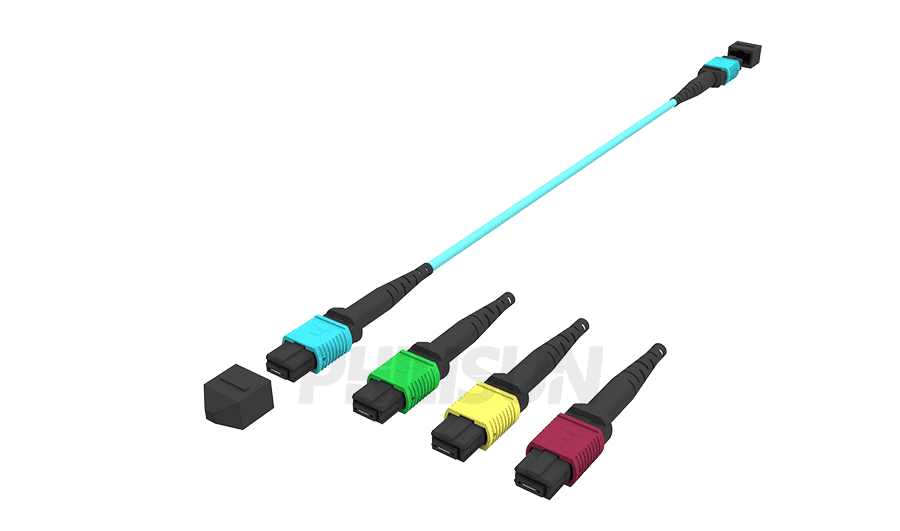
Instructions for MPO/MTP Fiber Optic Patch Cords
The MPO/MTP backbone fiber optic patch cord, comprised of multi-core cables and MPO connectors, features low insertion loss, high return loss, and excellent durability. It is widely used in high-density integrated fiber optic environments, such as data center server rooms. 1. Product Showcase 2. Product Features 3. Compliant with standards 4. Technical Specifications 5. Outer Jacket Color 6. Illustration of Appearance 7. MPO Polarity 1). 12-core MPO Polarity 12-core MPO Type A Polarity 12-core MPO Type B Polarity 12-core MPO Type C Polarity 2). 24-core MPO Polarity 24-core MPO Type A Polarity 24-core MPO Type B Polarity 24-core MPO Type…
Learn More about Instructions for MPO/MTP Fiber Optic Patch Cords


Fiber optic technical analysis hub
This page collects technical decision points that affect compatibility, link reliability and product selection in fiber optic networks.
How to use this page
- MPO topics cover polarity, connector gender, fiber count, fanout mapping, trunk planning and high-density data center routes.
- Connector topics cover LC, SC, FC, ST, E2000, UPC, APC, end-face inspection and cleaning requirements.
- Transceiver topics cover SFP, SFP+, QSFP, QSFP28, QSFP-DD, OSFP, reach, wavelength, coding and host compatibility.
- Network topics cover structured cabling, data center migration, telecom access, enterprise LAN, AI, HPC and 5G carrier links.
Helpful next steps
For deeper planning, review MPO polarity guide, MPO gender guide, LC APC vs UPC, SFP vs QSFP guide and fiber optic products. If the project already has a BOM, port map, rack drawing or compatibility requirement, share it with PHILISUN so the recommendation can be tied to the actual deployment instead of a generic product family.
Decision notes
A good technical analysis starts with the physical layer facts: connector interface, fiber type, link distance, lane count, optical budget, host port and required speed. After those are known, the product choice becomes much less ambiguous.
For MPO systems, verify polarity and connector gender before choosing trunks, harnesses or cassettes. For optical modules, verify the host platform, firmware policy, wavelength, reach and temperature range before comparing suppliers.
For network planning, use technical articles to reduce risk before the quote stage. The goal is to prevent hidden mismatches such as correct speed but wrong connector, correct cable but wrong polarity, or compatible module but insufficient optical budget.
What to prepare before contacting PHILISUN
Prepare the target equipment, speed, fiber type, connector, reach or length, quantity, delivery schedule and any test documentation requirement. For custom assemblies, include label rules, packaging groups and whether the order should match a previous approved sample.