

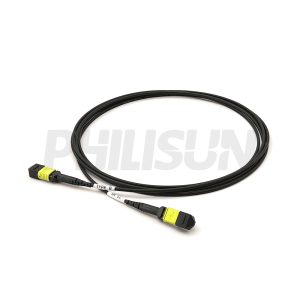
SM OS2 Series
Armored single-mode OS2 MPO jumpers protect high-density fiber links. Choose fiber count, connector gender, polarity and length.
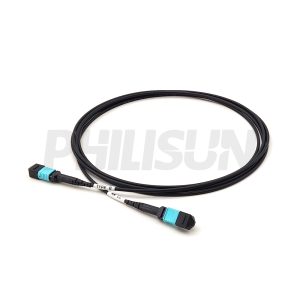
OM3 Series
Armored OM3 MPO jumpers protect high-density fiber links. Choose fiber count, connector gender, polarity and length.
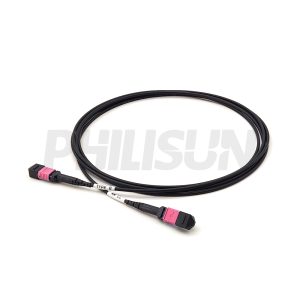
OM4 Series
Armored OM4 MPO jumpers protect high-density fiber links. Choose fiber count, connector gender, polarity and length.
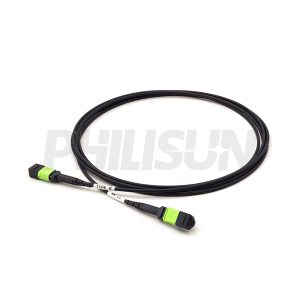
OM5 Series
Armored OM5 MPO jumpers protect high-density fiber links. Choose fiber count, connector gender, polarity and length.
Need armored MPO jumpers for your network deployment?
Tell us your fiber cable installation environment and application requirements, and Philisun’s team will recommend the most suitable armored MPO jumper cable based on protection level, fiber type (OS2 / OM3 / OM4 / OM5), and network performance. We provide fast response within 24 hours and support customized solutions.
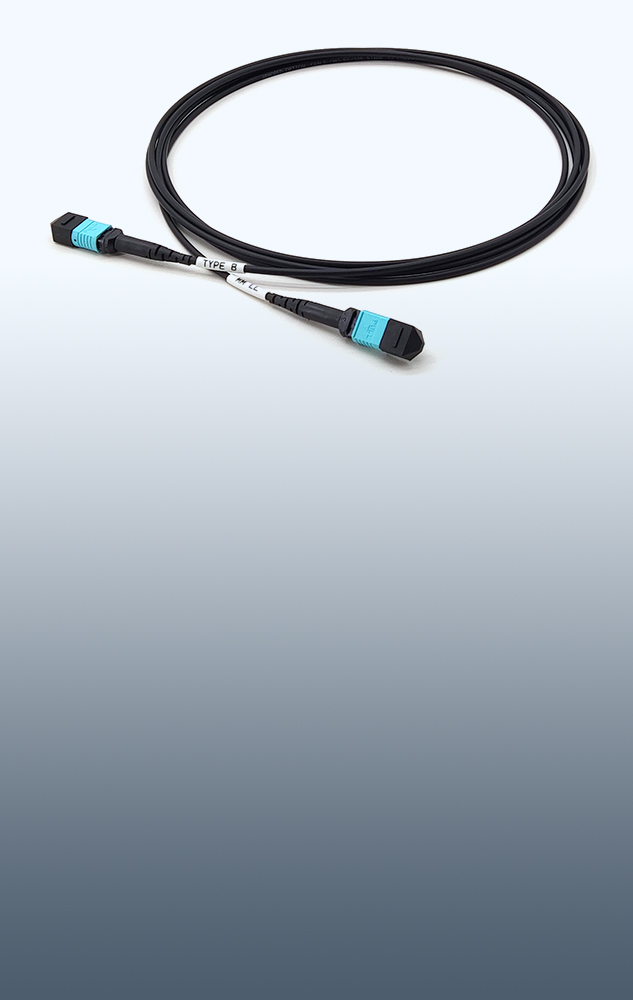
Armored MPO-12 OS2 Jumper
12-fiber armored OS2 jumper for protected single-mode MPO links. Choose gender, polarity, polish and length.
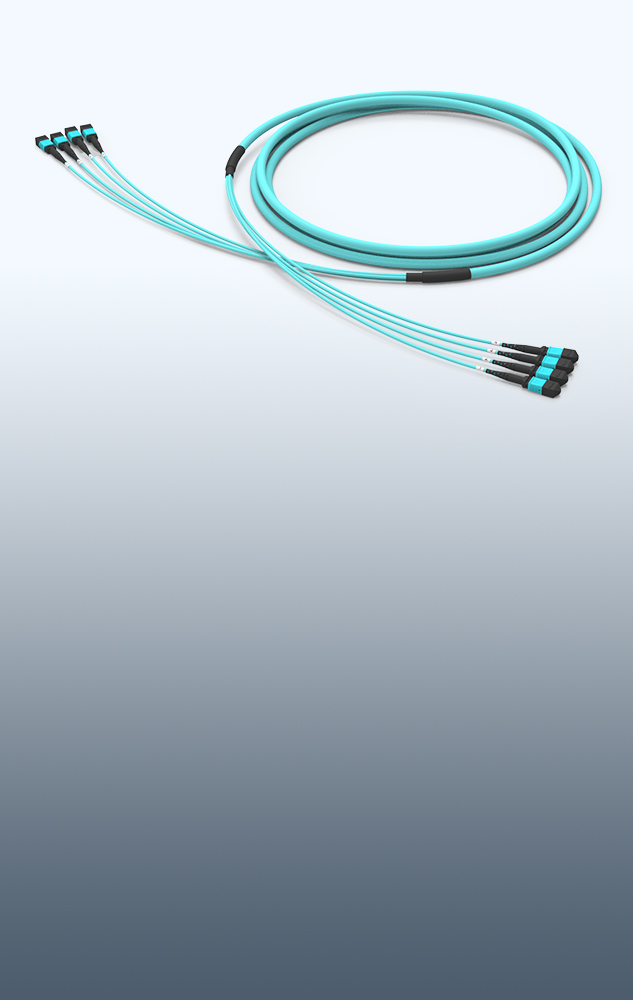
Armored MPO-12 OM3 Jumper
12-fiber armored OM3 jumper for protected multimode links. Match polarity, gender and cable length to the channel.

Armored MPO-12 OM4 Jumper
12-fiber armored OM4 jumper for extended-reach multimode links. Choose polish, gender, polarity and jacket color.
MPO Armored Cable Resources & Insights
Simplex vs Duplex Fiber: Understanding Fiber Types and When to Use MPO
What is the difference between Simplex and Duplex fiber? We explain the applications for each, from BiDi transceivers to standard LC patch cords, and introduce the future: MPO parallel optics.
What Are The Min and Max Bend Radius of Fiber Optic Cable?
We clarify the critical difference between the fiber bend radius(MBR) required for installation (Max) and the tighter, static radius (Min) that governs long-term cable durability.
OM3 vs OM4 vs OM5 for Data Center Cabling
Unravel the OM3, OM4, OM5 confusion. Get a clear breakdown of multimode fiber performance, costs, and applications for 10G to 100G.
MPO Armored Jumper Cables selection guide
PHILISUN MPO Armored Jumper Cables support protected MPO patch assemblies for routes where crush resistance, pulling strength and cable handling matter. This page is useful when a project needs a defined MPO mapping, factory test documentation and a repeatable part-number structure instead of a generic patch cable.
How to specify MPO Armored Jumper Cables
- Map the link: confirm the connected transceivers, cassettes, panels or trunks, then document lane order and endpoint labels.
- Define the build: specify armor structure, fiber mode, MPO gender, polarity, jacket, bend radius, tensile requirement, length and label format so the assembly matches optical performance, routing and service access requirements.
- Control polarity: align Method A, Method B, Method C or custom mapping with existing trunks, modules and patching records.
- Request evidence: ask for insertion loss, return loss, polarity verification, end-face inspection, serial labels and packaging groups.
Common deployment scenarios
Typical applications include equipment rooms, exposed cabinet routes, industrial networks, temporary links and protected high-density data center patching. For project planning, compare MPO jumper cables, MPO cable assemblies, MPO trunk cables, fiber patch cords and pigtails, fiber optic products and contact PHILISUN.
Procurement and QA checklist
Before releasing the order, confirm whether the assembly will be treated as a standard spare, a labeled project component or a controlled part in a documented cabling system. This decision affects packaging, serial traceability, drawing review and how installers match each piece to the rack schedule.
- Optical budget: reserve loss margin for adapters, cassettes, panels and field cleaning rather than judging the cable alone.
- Mechanical route: check bend radius, pulling direction, trunk entry point, cabinet depth and whether the cable needs extra protection.
- Compatibility: verify the connected transceiver, cassette or enclosure accepts the selected fiber count, connector gender and key orientation.
- Documentation: keep the part number, route label, test report and packing group aligned so repeat orders do not drift from the approved build.
Installation notes
Clean and inspect MPO end faces before connection, protect unused connectors with dust caps and avoid forcing a keyed connector into the wrong adapter. For dense moves, additions and changes, stage cables by rack or route group so technicians can validate polarity and labels before the final link test.
MPO Armored Jumper Cables FAQ
What information is needed for a quote?
Share the fiber count, connector gender, polarity method, length, fiber mode, jacket requirement, label format and the equipment or panel used at each end.
Can PHILISUN support custom polarity or labels?
Yes. PHILISUN can build custom polarity, lane maps, lengths, colors, packaging groups and labels when the project provides a route or port plan.
Which test records should be requested?
Common records include insertion loss, return loss, polarity verification, end-face inspection and serial traceability for each assembly or cassette.