

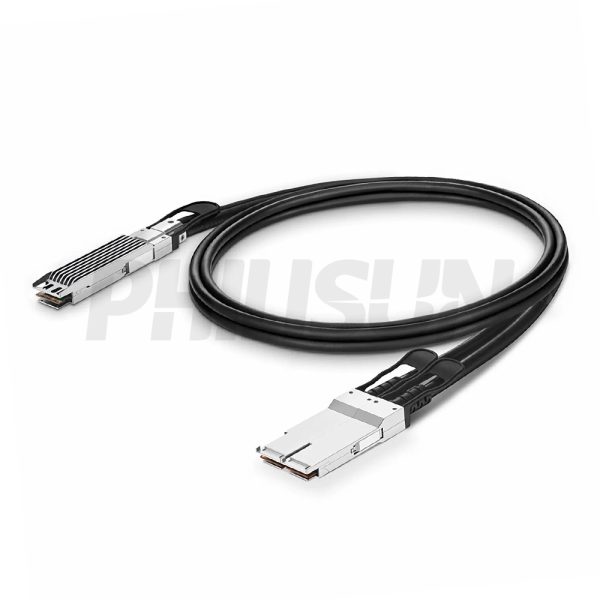
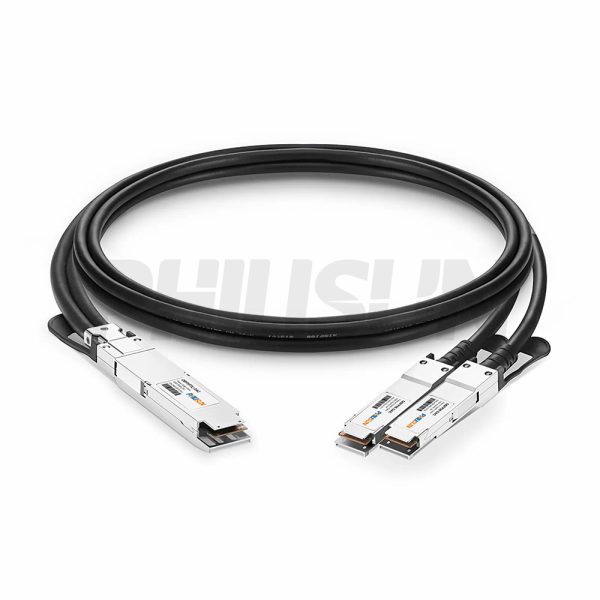
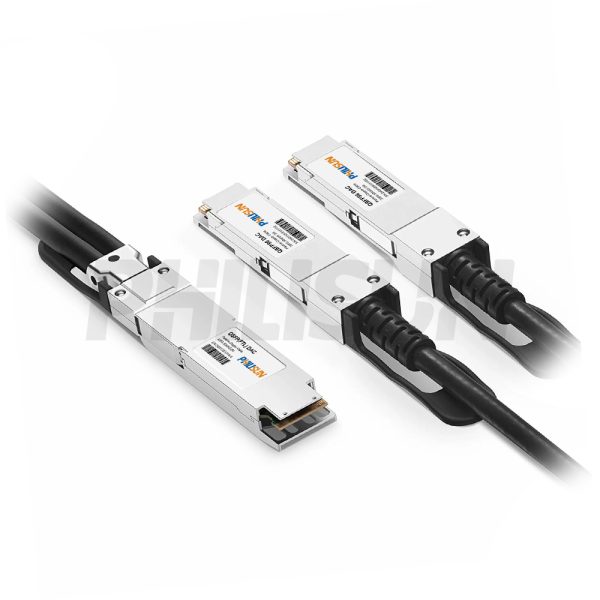
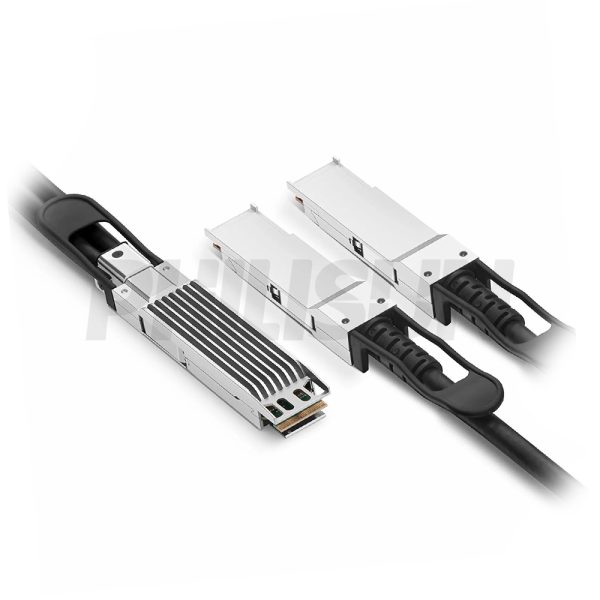
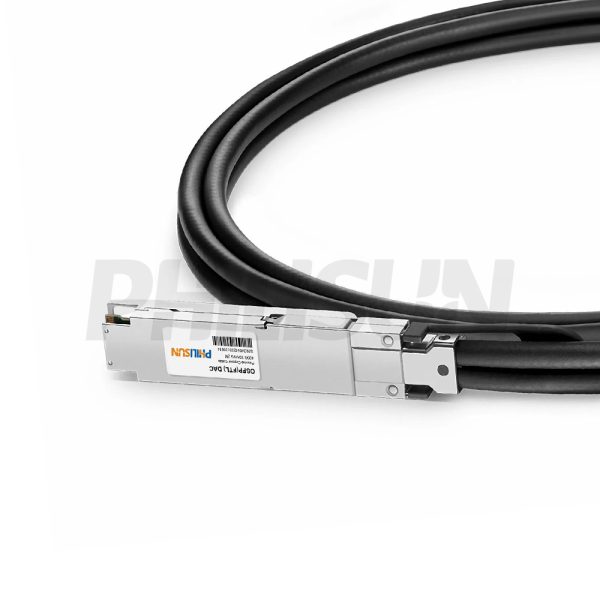
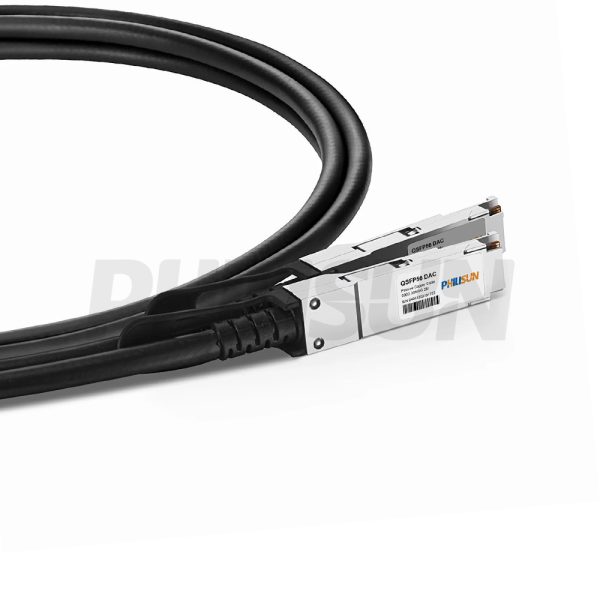
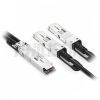
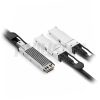
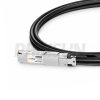
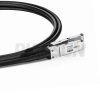
400G OSFP(FIN) to 2×200G QSFP56 DAC
Finned top
Compliant with
OSFP MSA、CMISRev4.0、IEEE802.3cd、SFF-8436、SFF-8665、SFF-8679、SFF-8636 standard
Switch to Switch
Switch to GPU
- High Quality
- Factory Outlet
- Satisfaction Guarantee
- Global Shipping
| SPECIFICATIONS | |||
|---|---|---|---|
| Cable End Connector A | OSFP(FTL) | Cable End Connector B | 2×QSFP56 |
| Jumper Type | Active Optical Breakout Cable | Data Rate | 400G |
| Aggregate Bit Rate | 400Gbps | Lane Bit Rate | 50Gbps |
| Number of Channels | 8 | Single Channel Rate | 50G |
| Minimum Bend Radius | 5X Cable OD -Single, 10X Cable OD - Repeated | Factory Brand | PHILISUN |
| Attenuation | 28AWG:10dB/7m maximum 30AWG:8.4dB/5.5m maximum | Bit Error Rate | ≤10-12 |
| Shield | Braid/Foil | Wire AWG | 28AWG/30AWG |
| Cable Type | Passive Twinax | Cable OD | 30AWG: 6.9mm 28AWG: 7.9mm |
| Cable Colour/Material | Black PVC(OFNR) | Cable Length Selection | 0.5-3 meter |
| Protocols | OSFP MSA/CMIS Rev4.0/IEEE 802.3cd/SFF-8436/SFF-8665/SFF-8679/SFF-8636 | Application Scenarios | 400Gigabit Ethernet (400GbE) |
| Supply Voltage | 3.3V | Power Dissipation | <0.1W |
| Operating Temperature | 0 to 70℃ (32 to 158℉) | Storage Temperature | -40 to 85℃ (-40 to 185℉) |
PRODUCT PRESENTATION
The PHILISUN 400G OSFP to 2x200G QSFP56 Passive Direct Attach Copper Twinax Cable (DAC) is an essential Breakout Cable, providing a Cost-Effective way to split a 400G OSFP port into two 200G QSFP56 links, maximizing port Density. The Finned Top design enhances cooling in HPC environments. This Passive Copper solution is highly Power-Efficient and delivers Low Latency. Compliant with OSFP MSA, CMIS Rev4.0, and IEEE 802.3cd standard, it supports scalable Switch to Switch aggregation and high-throughput connections from Switch to GPU systems in modern AI Clusters.
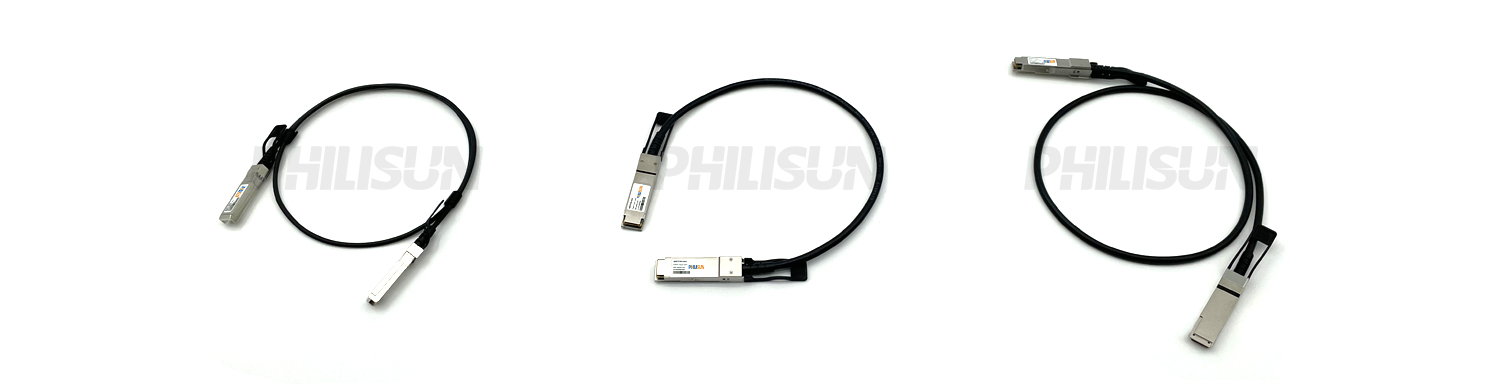
DAC SERIES PRODUCTS
PRODUCTION & TESTING EQUIPMENT

PERFORMANCE PARAMETER
| Absolute Maximum Ratings | |||||||||
| Parameters | Symbol | Min. | Max. | Unit | |||||
| Operating Voltage | Vcc | 3.135 | 3.465 | V | |||||
| Operating Temperature | – | 0 | +70 | ℃ | |||||
| Storage Temperature | Ts | -40 | +85 | ℃ | |||||
| Humidity Operating | RH | – | 85 | % | |||||
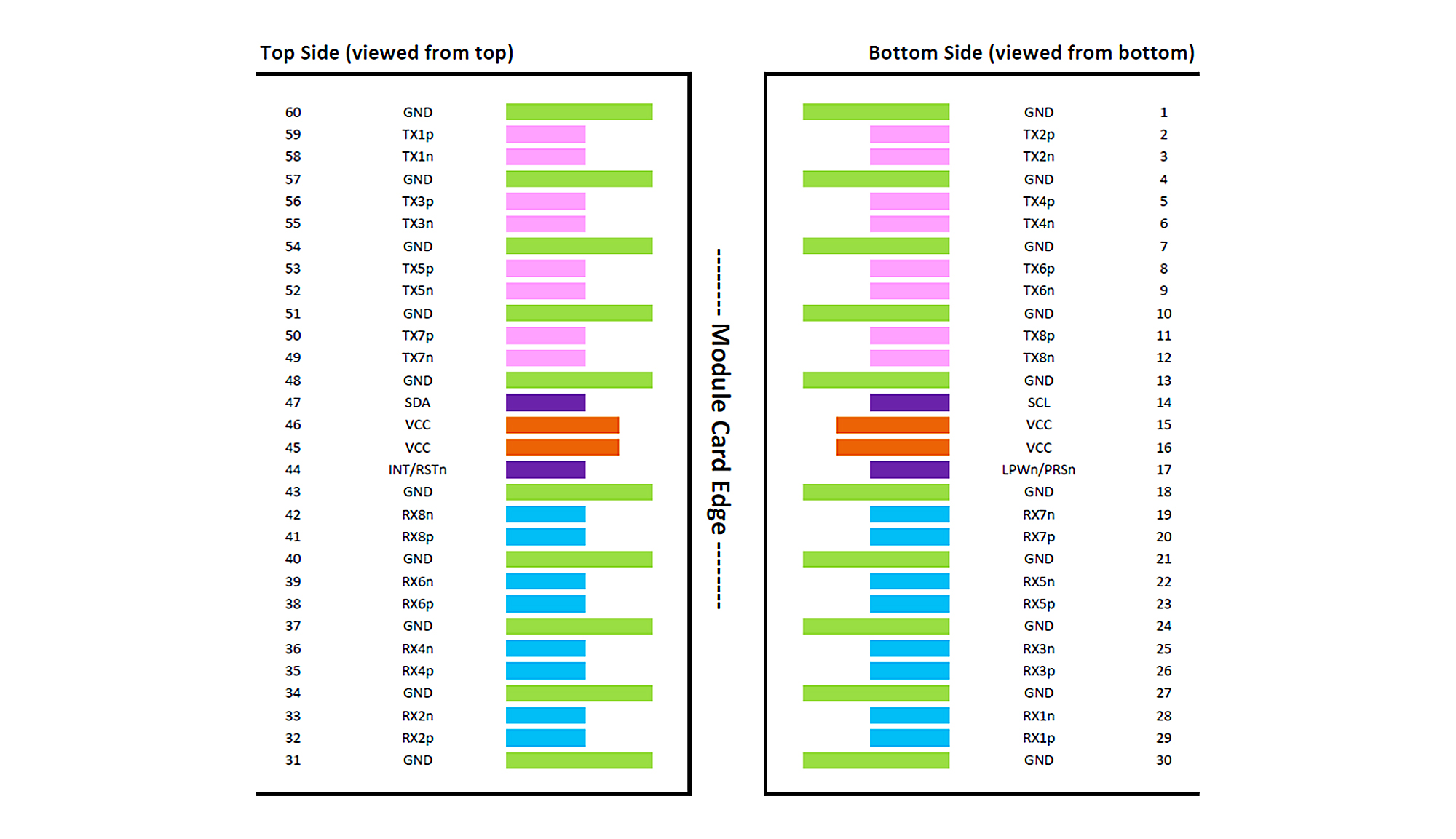
OSFP pin definitions
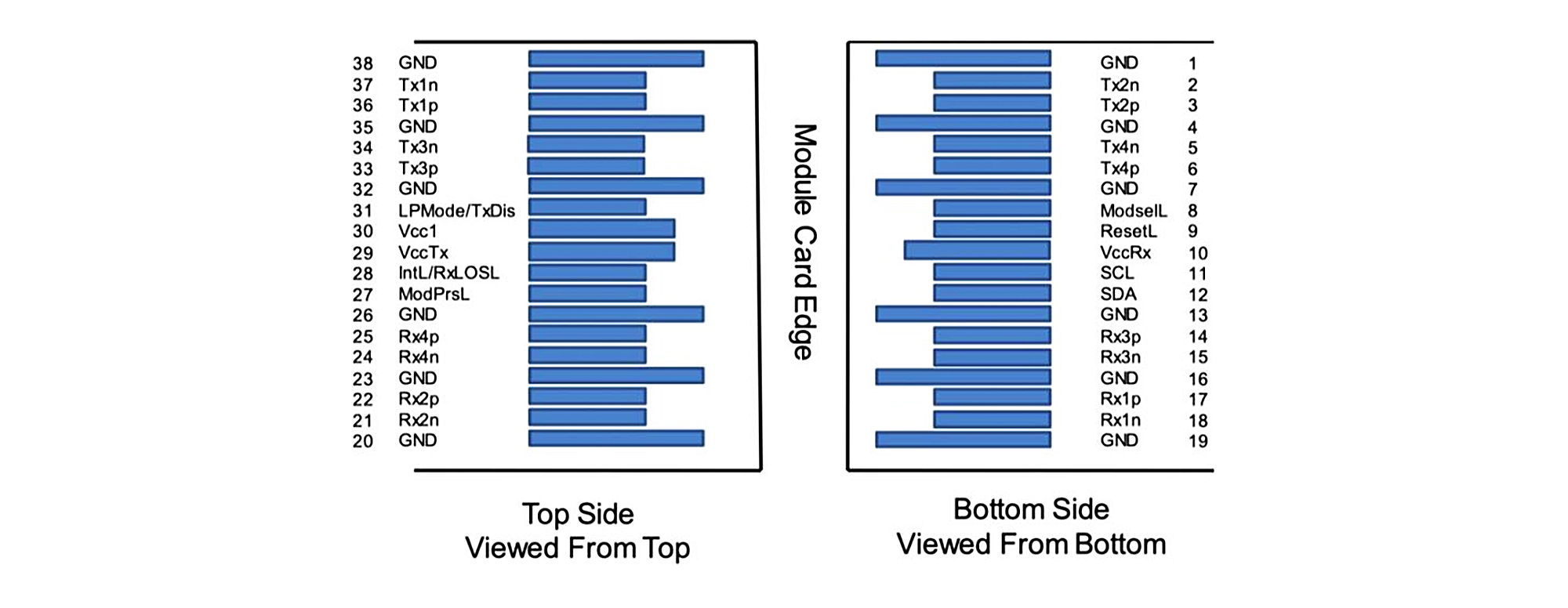
QSFP56 pin definitions
Pin Connection
| PairNo. | P1(OSFP) | P2(QSFP) | |||||||
| Pin | Signal | Pin | Signal | ||||||
| 1 | 28 | RX1n | 37 | TX1n(QSFP-1) | |||||
| 29 | RX1p | 36 | TX1p(QSFP-1) | ||||||
| 2 | 59 | TX1p | 17 | RX1p(QSFP-1) | |||||
| 58 | TX1n | 18 | RX1n(QSFP-1) | ||||||
| 3 | 33 | RX2n | 2 | TX2n(QSFP-1) | |||||
| 32 | RX2p | 3 | TX2p(QSFP-1) | ||||||
| 4 | 2 | TX2p | 22 | RX2p(QSFP-1) | |||||
| 3 | TX2n | 21 | RX2n(QSFP-1) | ||||||
| 5 | 25 | RX3n | 34 | TX3n(QSFP-1) | |||||
| 26 | RX3p | 33 | TX3p(QSFP-1) | ||||||
| 6 | 56 | TX3p | 14 | RX3p(QSFP-1) | |||||
| 55 | TX3n | 15 | RX3n(QSFP-1) | ||||||
| 7 | 36 | RX4n | 5 | TX4n(QSFP-1) | |||||
| 35 | RX4p | 6 | TX4p(QSFP-1) | ||||||
| 8 | 5 | TX4p | 25 | RX4p(QSFP-1) | |||||
| 6 | TX4n | 24 | RX4n(QSFP-1) | ||||||
| 9 | 22 | RX5n | 37 | TX1n(QSFP-2) | |||||
| 23 | RX5p | 36 | TX1p(QSFP-2) | ||||||
| 10 | 53 | TX5p | 17 | RX1p(QSFP-2) | |||||
| 52 | TX5n | 18 | RX1n(QSFP-2) | ||||||
| 11 | 39 | RX6n | 2 | TX2n(QSFP-2) | |||||
| 38 | RX6p | 3 | TX2p(QSFP-2) | ||||||
| 12 | 8 | TX6p | 22 | RX2p(QSFP-2) | |||||
| 9 | TX6n | 21 | RX2n(QSFP-2) | ||||||
| 13 | 19 | RX7n | 34 | TX3n(QSFP-2) | |||||
| 20 | RX7p | 33 | TX3p(QSFP-2) | ||||||
| 14 | 50 | TX7p | 14 | RX3p(QSFP-2) | |||||
| 49 | TX7n | 15 | RX3n(QSFP-2) | ||||||
| 15 | 42 | RX8n | 5 | TX4n(QSFP-2) | |||||
| 41 | RX8p | 6 | TX4p(QSFP-2) | ||||||
| 16 | 11 | TX8p | 25 | RX4p(QSFP-2) | |||||
| 12 | TX8n | 24 | RX4n(QSFP-2) | ||||||
Electrical Performance Requirements
| Test Items | Test Conditions | Specification | |||||||
| Current | – | 0.5A per contact | |||||||
| Voltage | – | 30 vDC per contact | |||||||
| LLCR | EIA 364-23, 20mVdc, 100mA | less than 2 ohms. | |||||||
| Insulation Resistance | 100 Vdc | 10 Mohms minimum between adjacent contacts | |||||||
| Dielectric Withstanding Voltage | 300 VDC minimum for 1 minutes | No defect or breakdown between adjacent contacts | |||||||
| Temperature Rise | Measure the temperature rise atthe rated current after 96 hours(45 minutes ON/15 minutes OFF per hour). |
Temperature rise: +30℃ MAX. | |||||||
| Continuity | Verify the continuous electrical path | No open, short, or high resistance. | |||||||
SI Requirements
| Test Items | Specification | Notes | |||||||
| SDD21&SDD12 | -17.16 dB Min. @13.28 GHz | From 0.01 GHz to 19GHz | |||||||
| SDD11&SDD22 | -16.5+2*sqrt(f)dB Max. @0.05GHz~4.1GHz -10.66+14*log(f/5.5)dB Max.@4.1GHz~ 10GHz |
From 0.01 GHz to 19GHz | |||||||
| SCD21-SDD21 | -10 dB Max. @0.01 GHz~12.89 GHz -27+(29/22)*fdB Max. @12.89 GHz~15.7 GHz -6.3 dB Max. @15.7 GHz~19 GHz |
From 0.01 GHz to 19GHz | |||||||
Mechanical Performance Requirements
| Test Items | Test Condition | Specification | |||||||
| Mating Forces | A rate of 10mm per minute | OSFP<40N, QSFP<60N | |||||||
| Un-mating Forces | A rate of 10mm per minute | OSFP<30N,QSFP<30N | |||||||
| Latch strength | Pull to separate module from cage,Test with connector, cage & module(latch engaged) | Minimum of an 125N force | |||||||
| Bulk cable retention in module | Pull to separate bulk cable from module,Test with cable assembly only | Minimum of an 90N force | |||||||
| Wire Flex | Flex cable 180 ° for 10 cycles atX/Y axis, 20 times/minutes, with an 1kg suspended weight. Type C EIA 364-41, test condition I. |
No microsecond discontinuities are allowed | |||||||
| Durability | Perform 50 unplug/plug cycles | No evidence of physical damage | |||||||
| Cable Minimum Bend Radius | The cable is bent on time over the correct mandrel with 5 perpendicular, the Minimum bendRadius is 10x OD. | No physical damage, Verify continuity and SI | |||||||
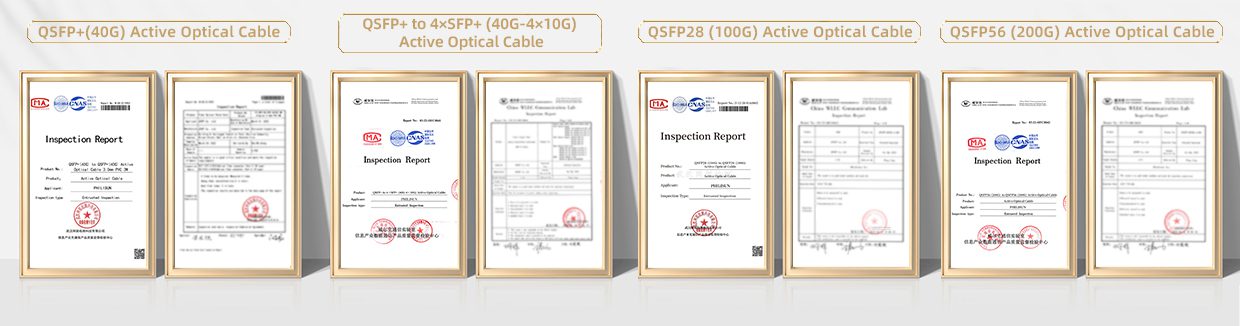
PRODUCT CERTIFICATION
COMPATIBLE BRANDS

CONFIGURATION INFORMATION
Related products
-
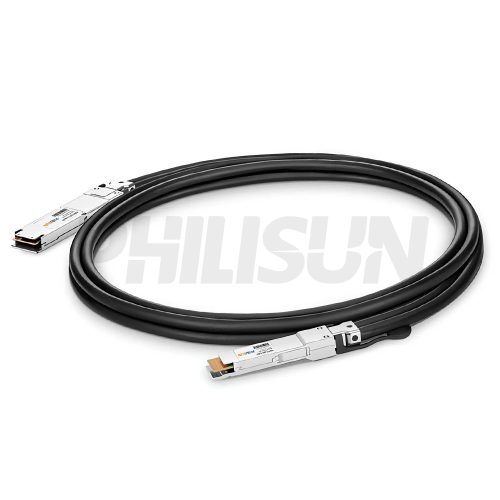
400G OSFP(FTL) to 400G QSFP-DD Passive Direct Attach Copper Twinax Cable (DAC)
Flat top
Compliant with
IEEE 802.3cd, OSFP MSA, QSFP-DD MSA, CMIS Rev4.0, SFF-8417 standard
Switch to Switch
Switch to GPU -
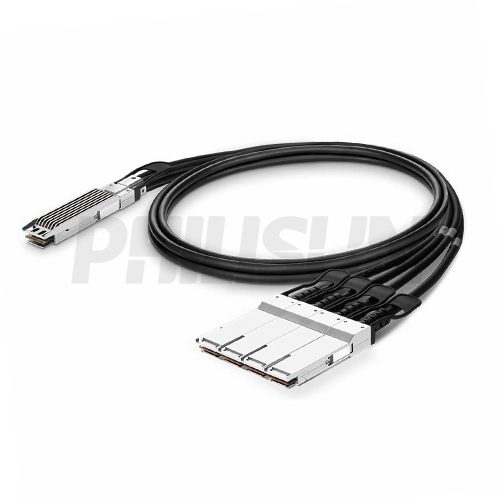
400G OSFP(FIN) to 4×100G QSFP56 Passive Direct Attach Copper Twinax Cable (DAC)
Finned top
Compliant with
OSFP MSA、CMISRev4.0、IEEE802.3cd、SFF-SFF-8665, SFF-8436, OSFP MSA、IEEE802.3cd standard
Switch to Switch
Switch to GPU -
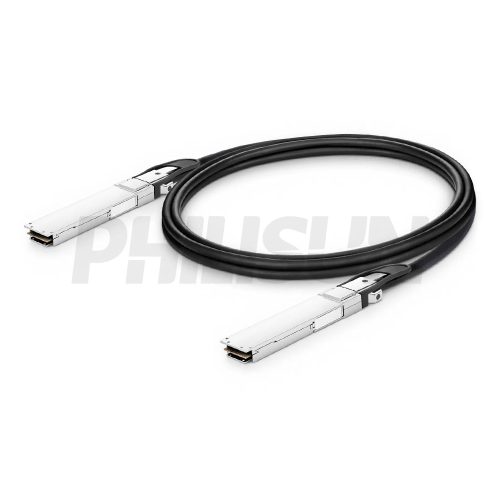
400G OSFP(FTL) to OSFP(FTL) Passive Direct Attach Copper Twinax Cable (DAC)
Flat top
Compliant with
OSFP MSA, CMIS Rev4.0, IEEE 802.3cd standard
Switch to Switch
Switch to GPU