
Fiber optic drones are revolutionizing Intelligence, Surveillance, and Reconnaissance (ISR). They eliminate the vulnerability of traditional radio frequency (RF) links. RF-controlled Unmanned Aerial Systems (UAS) are easily jammed or hacked. This severely limits their mission effectiveness. This article dissects the technology behind tethered UAS. We explain how fiber optic cables provide secure, high-bandwidth data transmission and continuous power. We will analyze the stringent requirements placed on the fiber interconnects themselves. This is a critical area often overlooked. Understanding these components is key to deploying reliable, unjammable systems.
What Are Fiber Optic Drones and How Do They Work?
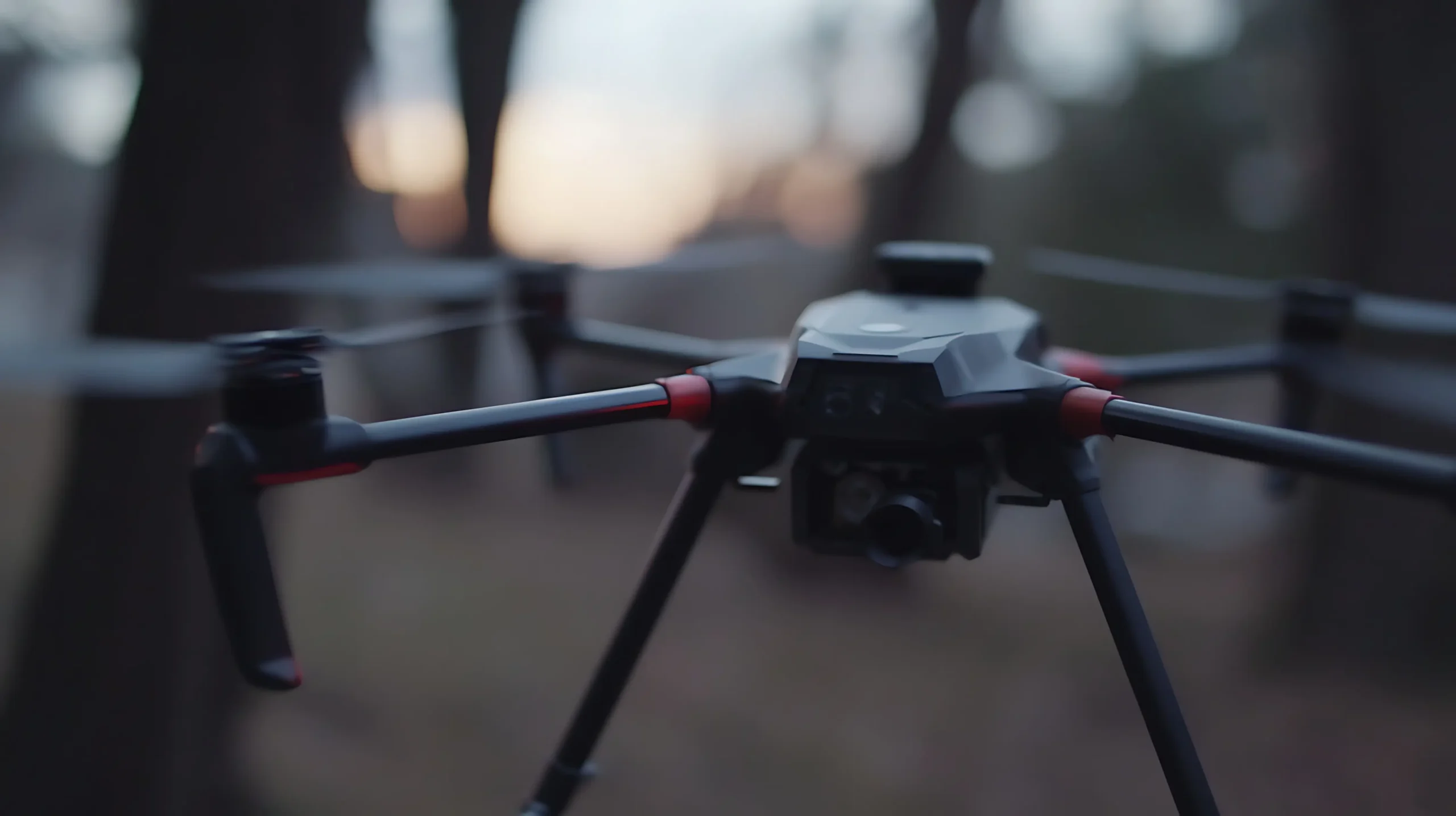
A fiber optic drone, or tethered UAS, is physically connected to a ground station. This tether is a hybrid cable. The cable includes optical fibers for data and copper conductors for power. This physical link eliminates the reliance on batteries for flight duration. It also bypasses conventional wireless communication entirely. This architecture ensures persistent overwatch capabilities.
Tethered vs. Untethered UAS: A Comparison of Data Security
Untethered drones rely entirely on RF communication and GPS signals. They are inherently vulnerable. Signals can be intercepted, jammed, or spoofed using Electronic Warfare (EW) techniques. The flight path can be diverted. Data streams can be compromised. In contrast, tethered drones transmit all data over a glass fiber. This physical connection ensures Low Probability of Intercept/Detection (LPI/LPD). It creates an inherently secure communication channel.
Why Are Fiber Optic Drones a “Significant C-UAS Challenge”?
Counter-UAS (C-UAS) systems are designed to detect and disable enemy drones. Most C-UAS strategies focus on electronic warfare. They jam the control frequency or spoof the GPS signal. This renders the drone useless.
The Role of RF-Immunity in Secure Data Transmission
Fiber optic drones are immune to these RF-based countermeasures. The physical fiber link transmits mission data and receives control commands optically. This design renders traditional drone defense systems that target RF ineffective. The integrity of the mission data remains intact. This operational resilience is the core reason why these drones pose a significant challenge to conventional C-UAS systems. The security is unmatched for sensitive ISR missions.
The Engineering Challenge: Rugged Fiber for Dynamic Reeling
The tether is the most critical and stressed component of a fiber optic drone system. It must be lightweight to minimize payload drag. At the same time, it must endure severe mechanical stress. The tether experiences dynamic reeling, high tensile forces, and extreme temperature cycling. Standard fiber optic cable cannot survive these conditions.
What Fiber Types and Connectors Are Needed for Drone Tethers?
Drone tethers require specialized, ruggedized fiber and cable jackets. These jackets must provide exceptional crush resistance and flexibility. Single-mode fiber is generally preferred for its high bandwidth and long-distance capability. However, the connection points are the weak link.
Tethers demand high-density, field-deployable connectors. These connectors must maintain optical alignment even when subjected to vibration and shock. Specialized MPO/MTP assemblies are frequently used for their density. However, they must be housed within ruggedized connector shells that prevent dirt ingress and resist accidental pull-out. PHILISUN specializes in manufacturing these high-reliability, custom MPO/MTP assemblies. We ensure connectivity integrity under the harshest environmental and mechanical conditions. This is vital for mission success.
Ensuring Power and Data Integrity in a Single Cable Assembly
The tether is not just a data path; it is also the drone’s power supply. This means the cable is a complex hybrid structure. It contains both delicate optical fibers and copper power conductors. Maintaining optimal optical performance is difficult in the presence of strong electrical current and potential interference. The cable design must prevent electrical interference from compromising the high-speed data stream carried by the fiber. Achieving this balance requires meticulous engineering of the cable shielding and the overall tether diameter.
PHILISUN’s Role in High-Reliability Fiber Optic Drone Systems
Successfully deploying a fiber optic drone system requires a partnership with a proven optical component manufacturer. The cables are custom-engineered for each platform’s unique reeling and pull-force specifications.
PHILISUN is a trusted provider of optical interconnect solutions for demanding applications. We offer custom ruggedized fiber optic cable assemblies designed specifically for dynamic tethering systems. Our commitment ensures compliance with stringent performance metrics. This includes specific tensile load ratings and endurance testing against rapid winding cycles. This capability allows UAS integrators to achieve optimal Total Cost of Ownership (TCO) by minimizing maintenance costs and maximizing system uptime. We deliver high-reliability solutions without the supply chain delays associated with OEM partners.
Future Trends in Tethered Drone Technology
The technology is rapidly evolving. Current trends focus on reducing tether weight and increasing data throughput. New, lightweight fibers and advanced micro-cables are emerging. They aim to allow higher altitudes and longer ranges. Furthermore, as sensor data becomes richer (e.g., high-resolution thermal and LiDAR), the required data rates are increasing. We are moving toward 10G and 25G per fiber lane. This demands even tighter tolerances and higher performance from the interconnects. This future requires manufacturers like PHILISUN to continuously innovate their high-speed, ruggedized optical modules.
Conclusion
Fiber optic drones represent a massive leap forward in secure, persistent ISR capabilities. Their immunity to RF jamming and unlimited flight time make them essential for both defense and critical infrastructure monitoring. The reliability of these systems, however, hinges entirely on the quality and robustness of the tether—the most mechanically stressed component.
Do not let component failure compromise your operational readiness—partner with an expert in high-durability optical technology.
Contact the PHILISUN technical team today for immediate consultation and competitive quotes on custom ruggedized fiber optic cable assemblies and connectors tailored for your tethered UAS platform.